News

February Rain Runoff in Lake Mendota

Urban and rural runoff add algae-creating phosphorus to our lakes

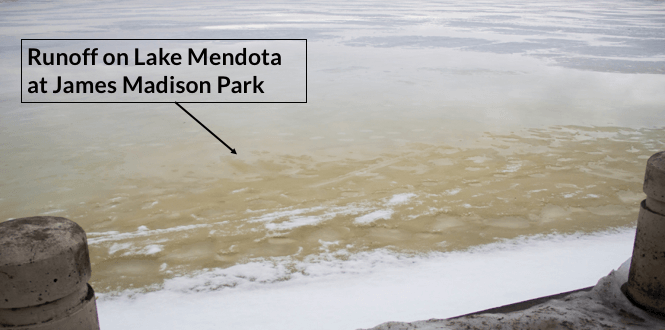
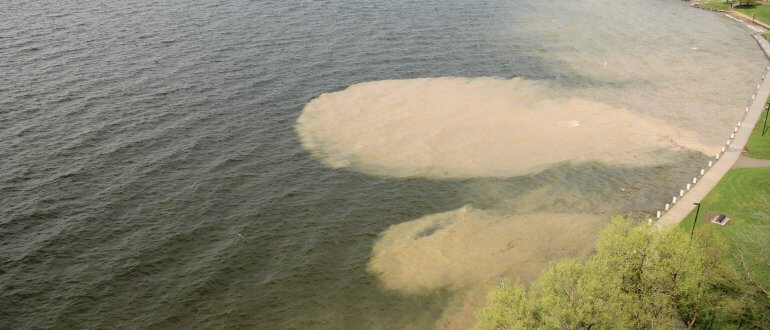
MADISON, Wis. — Warm February temperatures and a high volume of rain are melting snow now, but creating a hazardous problem down the road. Visible runoff can be seen along the shores of all five lakes in our watershed. This brown, discolored water has gathered soil and debris from the frozen land and washed it into our lakes. With more weekend rain in the forecast, this problem will continue to harm Madison’s lakes.

“When we have a deluge of rain in the winter, or a fast thaw, the frozen land can’t accept the water,” said Paul Dearlove, Clean Lakes Alliance senior director of watershed initiatives. “This means more phosphorus has been loaded into the lake, which has the potential to cause more algae blooms this summer.”

Read More

Water quality monitoring

2017 results from our monitoring program

Overview

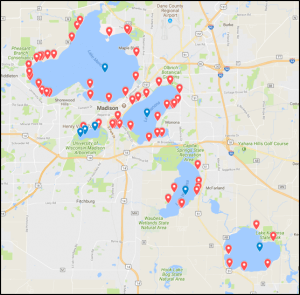
Figure 1. 2017 monitoring sites (Red: Near-shore; Blue: Off-shore).

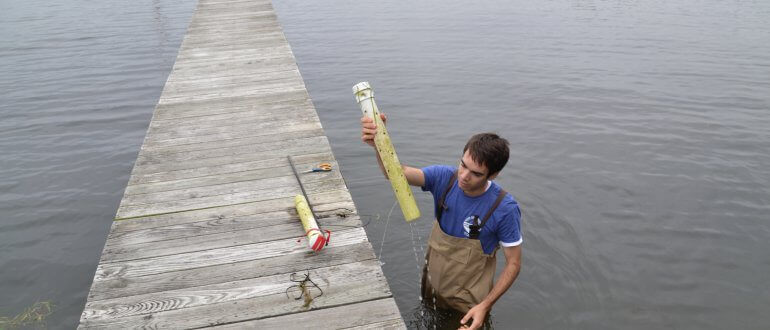
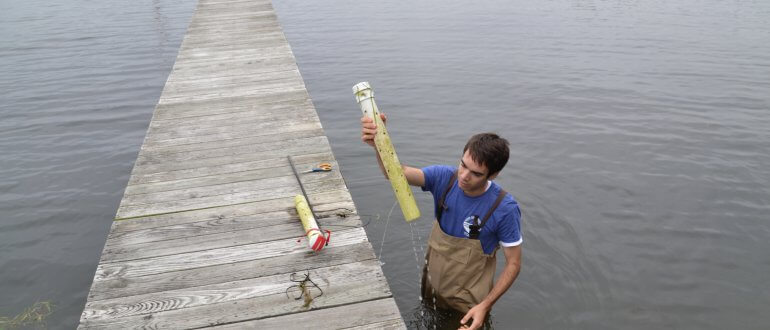
From Memorial Day to Labor Day, volunteers at piers and beaches around the five Yahara lakes measured near-shore water clarity, air and water temperature, and noted several visual observations.

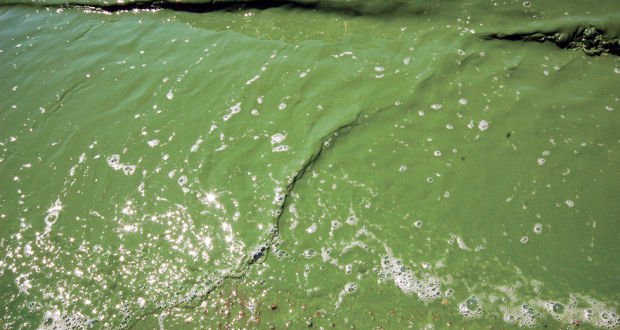
Visual observations included presence of algal blooms (green/blue-green), floating plant debris, swimmers, waterfowl, wave intensity, and general water appearance.

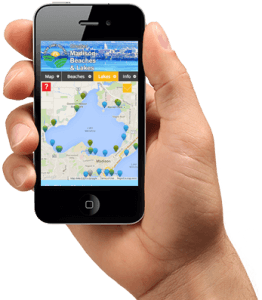
Volunteers were asked to log condition reports at least weekly on our website, lakeforecast.org, where all data are updated in real time.

Read More

Lake Mendota Freeze

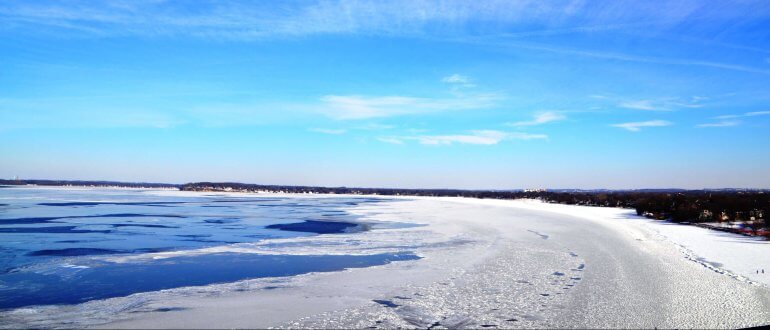
A Christmas cold snap and low wind helped Lake Mendota officially freeze on Wednesday, December 27. Lake Mendota is the largest lake in the Yahara Watershed. The lake froze 17 days after the smallest lake in the watershed, Lake Wingra, which officially froze on December 10.

The Wisconsin State Climatology Office requires ice to hold for a period of 24 hours before a lake can officially be declared frozen over. After ice took shape on December 26, staff waited to see whether it would hold out through the night. The December 27 freeze date is five days ahead of last winter’s January 1 freeze date, and only seven days later than the December 20 median freeze date. The latest freeze date for Lake Mendota was January 30 – which happened in the winter of 1932.

Read More

lake-mendota-ice

Dear Friends,

Another year has come and gone on our lakes. Thank you for being a Friend of Clean Lakes. Today, I have only ONE thing on my holiday wish list – healthy lakes.

DONATE today to support our work.

As 2017 closes, we’re already pulling together phosphorus-reduction and water quality numbers for our State of the Lakes annual report. In the meantime, I’m looking back on a few things that have made ME happy this year.

Seven things that make James & the lakes happy:

Read More

Leaf Management

Help spread the world about leaf clean up and phosphorus reduction this fall. Removing leaves from the street can greatly reduce the amount of nutrient loading this season.

Listen to NBC15 and Clean Lakes Alliance Marketing Director Adam Sodersten to find out what you can do to help.

Click here to listen.

Joe Parisi press conference

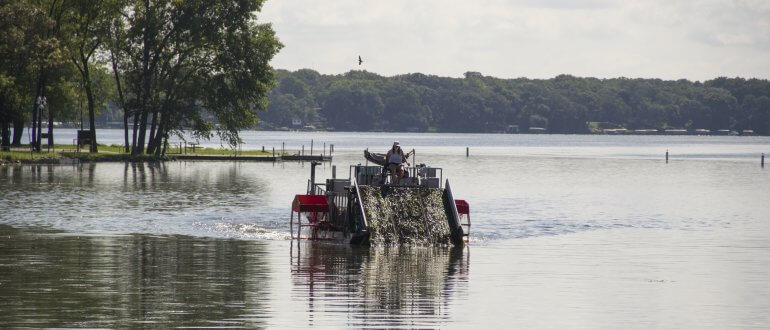
MADISON, Wis. — On Monday, Dane County Executive Joe Parisi announced an aggressive 2018 budget, with numerous projects aimed at diverting and removing algae-causing phosphorus from lakes in the Yahara Watershed. The multi-million dollar proposed budget calls for continuing to remove legacy sediment from streams feeding into Madison’s lakes, as well as new projects like prairie restorations and a pilot “algae pump” to remove scum from surface water.

“Our mission looks to build a community of people, businesses, organizations, and government agencies dedicated to improving and protecting water quality in the Yahara River watershed,” said Clean Lakes Alliance Executive Director James Tye. “The county executive’s lake projects are a strong step in the right direction towards cleaner and healthier lakes.”

Read More

Water Quality Monitoring

2017 monitoring season

What started in 2013 as a handful of Clean Lakes Alliance board members testing the water has now grown into a network of over 70 volunteers doing weekly water quality monitoring on all five lakes.

Each week this summer, our team of monitors gathered data on water clarity and temperature. They also made visual observations on beach conditions and identified potentially harmful cyanobacteria (blue-green algae) blooms. And what a summer it was!

Read More

Foley and Lardner Volunteer Day

With 58 miles of lakeshore in our watershed, shoreline maintenance is a big job. We’re lucky to have dedicated staff and community groups working to keep our parks and beaches healthy – but sometimes, there just aren’t enough hands to get the job done. That’s where our summer volunteer groups come in!

A summer to remember

So far this season, there have been 15 Renew the Blue volunteer days, for a total of 457 volunteers and 1,481 hours maintaining our lakeshores over the season. These events serve double duty: our lakeshore parks get some much-needed TLC, and volunteers learn more about keeping our watershed healthy.

Read More

yahara watershed academy 2017 education overview

Clean Lakes Alliance sees a future where everybody realizes that the lakes are the center of the community. Education is central to this goal! Read on for a snapshot of this summer’s educational programs.

Yahara Watershed Academy

Who it’s for:

Anyone who wants to incorporate watershed sustainability into their personal or professional life, especially those with the desire to lead.

Read More