

News

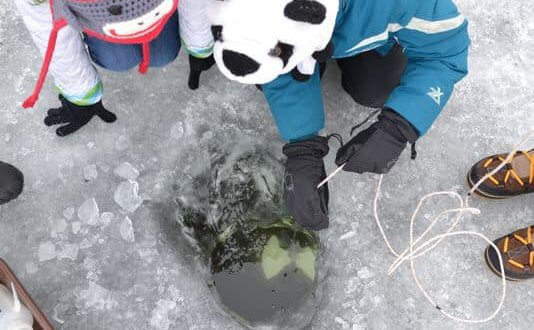
In the Yahara Watershed, salt applied to roads and sidewalks ultimately makes its way into our lakes and our drinking water. Road salt has been used as a deicer on streets in Dane County since the 1950s, and over the last 50 years, average concentrations of chlorides from salt in our lakes have steadily increased.

Read More

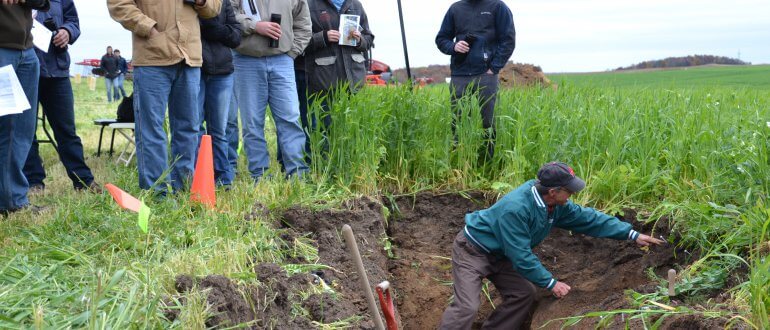
2014 Ag Innovation Days

Did you know groundwater levels are actually rising in the northern end of the Yahara Watershed? This video by UW-Madison’s Water Sustainability and Climate Project taps into the benefits of groundwater in agriculture. How does groundwater affect yields? Can we achieve “more crops per drop”? In what ways is crop production affected by changes in weather, land use and farming practices?

Turns out the benefits of higher groundwater can outweigh the costs – and groundwater could even be dynamically managed to benefit crops. Watch the video above to learn more.

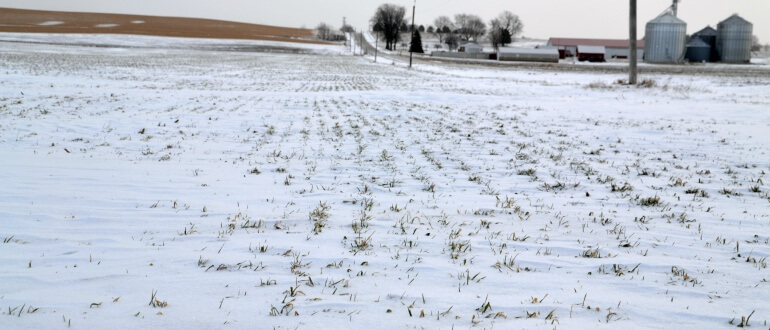
Cover Crops in the Snow

In Wisconsin the harvest is wrapping up, but a farmer’s job doesn’t stop when the crops come off. Milking, feeding and caring for animals is a constant, regardless of the season. This also means manure to manage and store.

Read More

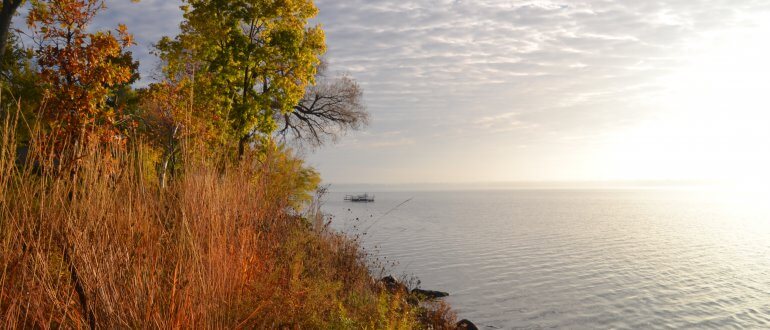
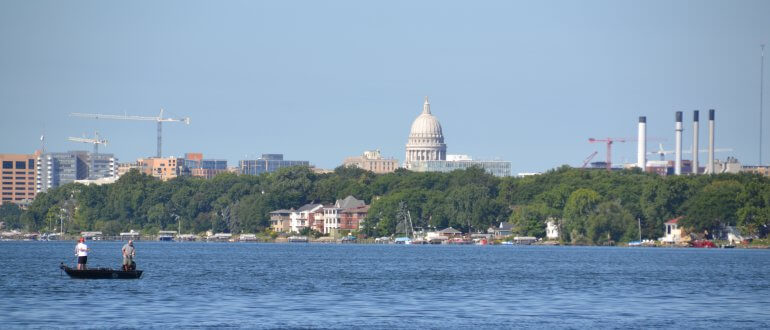
lake-monona sun and fall

Yahara Watershed Academy now accepting applications – Scholarships available!

MADISON, Wis. — A coalition of partners announced today that it is now accepting applications for the first-ever Yahara Watershed Academy. The hands-on crash course will train 25 promising individuals to be leaders for local water and jumpstart self-selected projects.

Read More

Clean Lakes Alliance volunteer monitors see improvements and mixed results

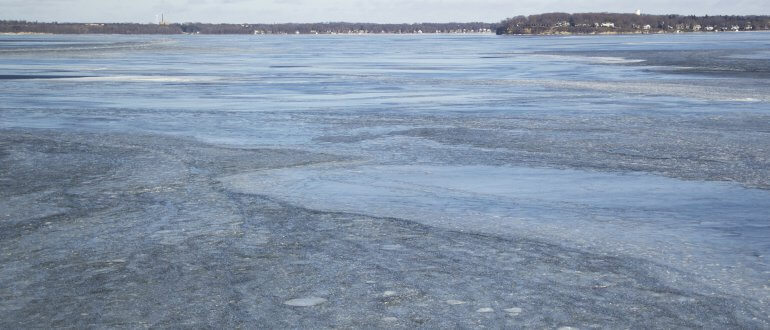
MADISON, Wis. — Clean Lakes Alliance has released results from the 2016 monitoring season on lakes Mendota, Monona, Wingra, Waubesa and Kegonsa. Over the past three years, the volunteer-based program has grown into an extensive 70-site effort to track water conditions near the shore, where most people interact with our lakes.

Read More

Farm Tour

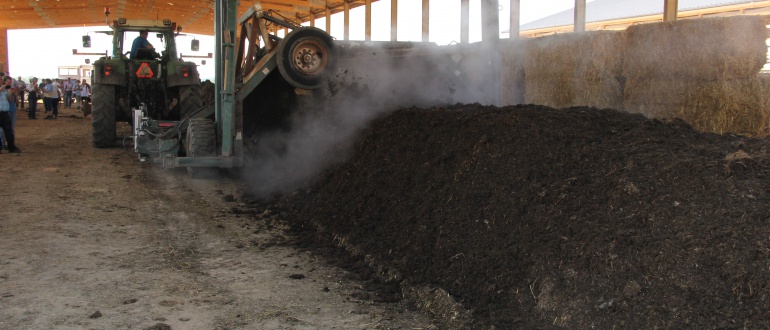
When many of us think composting, we think about throwing a banana peel or two on the heap. But composting has a place in agriculture too – three farms in the Yahara River watershed are implementing manure composting practices and seeing major benefits.

“The initiative Yahara Pride Farms has taken shows that farmers can do the composting process,” said Andy Skwor, agriculture team leader at MSA Professional Services Inc., a Midwest-based consulting firm.

We spoke with Andy last week about this exciting project to test both the costs and environmental benefits of windrow manure composting.

Read More

MMSD chlorides flyer - keep water fresh

Emily Jones, Pollution Prevention Specialist, Madison Metropolitan Sewerage District

Next time you’re at Camp Randall Stadium, take a look around and picture twenty 50-pound bags of water softener salt stacked on top of each of the 80,321 seats. That’s about how much salt makes its way down the drain and to Madison Metropolitan Sewerage District’s wastewater treatment plant every year.

But the salt doesn’t stop there. The treatment plant isn’t designed to remove salt, so salt passes through the plant into local streams, where it can threaten freshwater life. Removing salt at the treatment plant would be expensive and energy-intensive, so MMSD is working to protect water more efficiently by reducing the salt that goes down the drain.

Read More