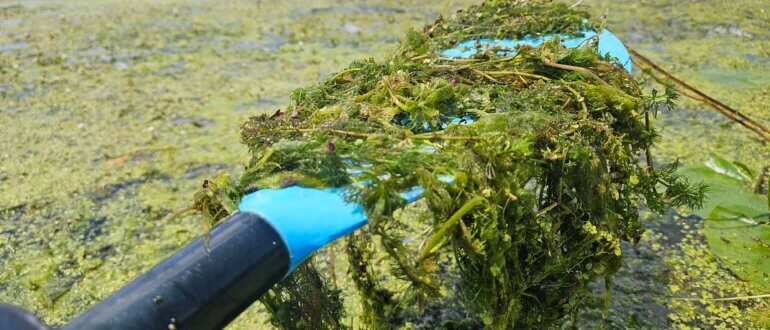
Submerged aquatic plants, often dismissed as “weeds,” are essential to the freshwater ecosystems of lakes and rivers. Known scientifically as macrophytes, aquatic plants absorb nutrients like phosphorus and nitrogen which otherwise can fuel algal blooms. They also stabilize lake-bottom sediments, help protect shorelines from wave erosion, and provide critical habitat and food for fish and other wildlife. Because aquatic plants play such a vital role, the Wisconsin Department of Natural Resources (DNR) regulates and limits their removal to preserve the numerous benefits they bring to our waterways.
2025 Water Quality Monitoring Results
LakeForecast water quality monitoring in 2025
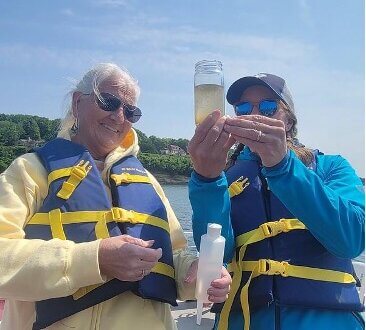
Clean Lakes Alliance’s LakeForecast water quality monitoring program completed its 13th season in 2025. This program is entirely volunteer implemented, with more than 100 trained monitors assessing water quality conditions from nearshore and offshore locations across all five Yahara lakes (Mendota, Monona, Wingra, Waubesa, and Kegonsa).
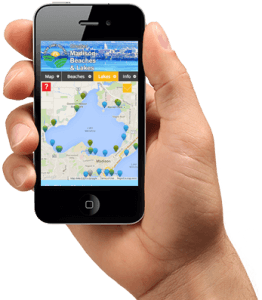
From Memorial Day through Labor Day, volunteers recorded water clarity, air and water temperature, waterfowl presence, the extent of floating plant debris, and the severity of green algae and cyanobacteria at public beaches, lakeside parks, and private piers. Submitted condition reports were able to be tracked in real-time on Lakeforecast.org or our free app, allowing the general public to stay up to date on current lake conditions.
What’s Behind Winter’s Loudest Lake Sounds
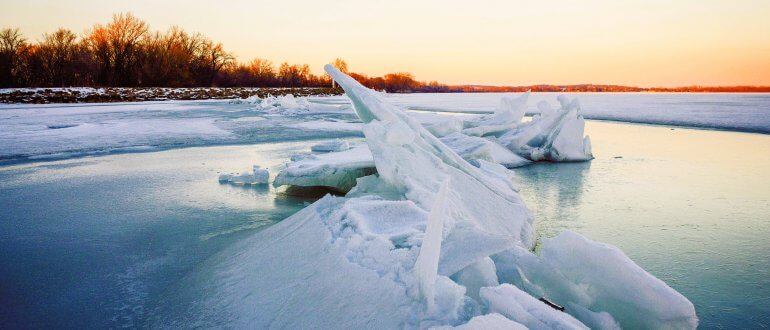
Lakes can be surprisingly noisy in winter. Ice fractures and cracks are constantly forming through these cold winter months, causing audible sounds ranging from a slight echoing “blooop” sound to a startling or explosive “bang!” Why exactly are our icy lakes so loud?
Ice isn’t always as solid as it looks
Although lake ice appears stable and solid, it is an ever-shifting material subject to ever-changing forces. Unlike nearly every other substance or material, the volume of water significantly expands as it freezes, increasing the given volume of water about 9% after freezing. The expansion can induce incredible amounts of pressure onto the ice. Think about how frozen water can cause metal pipes to bend and burst.
Liquid Assets
August 3, 2025 @ 11:00 am – 2:00 pm
Join us lakeside for Liquid Assets!
We’re celebrating our 63Club monthly donors with a special appreciation event at Christy’s Landing on Sunday, August 3rd from 11 a.m. to 2 p.m.
Enjoy a free Beach Bum, Mango Cart, or Kona Big Wave beer (courtesy of Wisconsin Distributors) and enter our 50/50 raffle to support lake health.
Not a donor yet? There’s still time! Join the 63Club today and show this email or your confirmation at the event to claim your beer.
Stick around after for live music from Toco Beach Steelpan starting at 2 p.m. — we hope to see you there!

Liquid Assets details
Date: Sunday, August 3rd
Time: 11 a.m. – 2 p.m.
Location: Christy’s Landing (2952 Waubesa Ave, Madison)
What: Celebrating our 63Club monthly donors
Related Events
Lake Management Plan for Lake Waubesa Completed
Lake Waubesa Conservation Association primed to take action
By Carolyn Betz, Project Manager and Lead Author of the Lake Waubesa Management Plan
Lake Waubesa Conservation Association and the Wisconsin Department of Natural Resources approved a comprehensive lake management plan in late 2024. The plan presents an up-to-date analysis of historical and current water quality data, the unique wetlands, and phosphorus inputs from rural and urban land uses. The plan presents dozens of recommendations to protect and improve the lake.
2024 Water Quality Monitoring Results
LakeForecast water quality monitoring in 2024
Clean Lakes Alliance’s LakeForecast water quality monitoring program completed its 12th season in 2024. This program is entirely volunteer-implemented, with over 100 trained monitors assessing water quality conditions from nearshore and offshore locations across all five Yahara lakes (Mendota, Monona, Wingra, Waubesa, and Kegonsa). From Memorial Day through Labor Day, volunteers recorded water clarity, air and water temperature, waterfowl presence, the extent of floating plant debris, and the severity of green algae and cyanobacteria at public beaches, lakeside parks, and private piers. Submitted data can be seen in real-time on Lakeforecast.org or our free app, allowing the public to stay up to date on current lake conditions.
2023 Water Quality Monitoring Results
LakeForecast water quality monitoring in 2023
Clean Lakes Alliance’s LakeForecast water quality monitoring program completed its 11th season in 2023. This program is entirely volunteer implemented, with 90 trained monitors assessing water quality conditions from nearshore and offshore locations across all five Yahara lakes (Mendota, Monona, Wingra, Waubesa, and Kegonsa). From Memorial Day through Labor Day, volunteers recorded water clarity, air and water temperature, waterfowl presence, extent of floating plant debris, and the severity of green algae and cyanobacteria at public beaches, lakeside parks, and private piers. Submitted data can be seen in real-time on lakeforecast.org or our free app allowing the general public to stay up to date on current lake conditions.
Lakeside Eats and Activities – Lake Guide
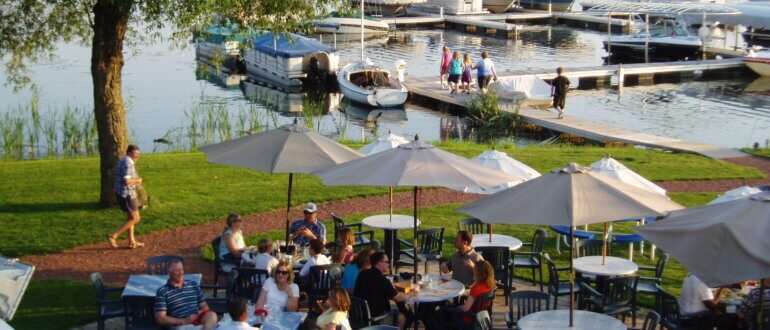
We reached out to 20 lakefront restaurants to find out what they felt makes them special – besides their great food and drinks! The following are the responses we received and included in our 2023 Greater Madison Lake Guide.
The names behind local, lakeside parks

Henry Vilas Park (Lake Wingra)
Henry Vilas Park is one of Madison’s oldest lakeside parks, and provides a gathering place along Lake Wingra for swimming, fishing, and even ice skating when the lagoon freezes over. The park was created from a 1904 donation from Wisconsin’s U.S. Senator, William Freeman Vilas (1840-1908), to the Madison Park and Pleasure Drive Association, an organization committed to the development of parks and scenic drives in the Madison area in the late 19th and early 20th centuries. Vilas also served as U.S. Postmaster General and Secretary of the Department of the Interior under President Grover Cleveland. Henry Vilas Park is named in memory of William’s son who died in childhood.
2022 Clean Boats, Clean Waters
Overview
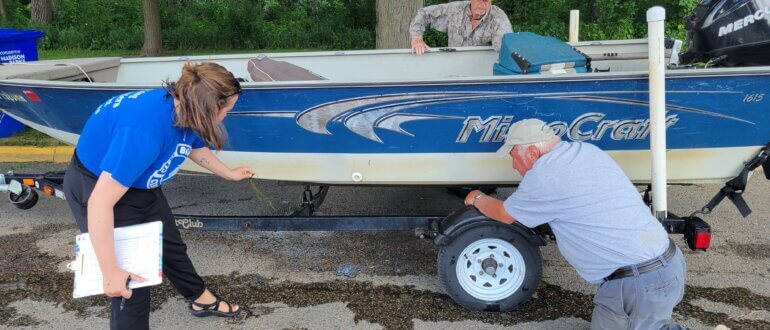
In 2022, Clean Lakes Alliance received a Wisconsin DNR Surface Water Grant to participate in the Clean Boats, Clean Waters (CBCW) program. CBCW is a state-wide aquatic invasive species (AIS) prevention program. The program increases awareness and education to boaters, anglers, and general lake users on best practices to prevent the further spread of AIS at our local boat landings.