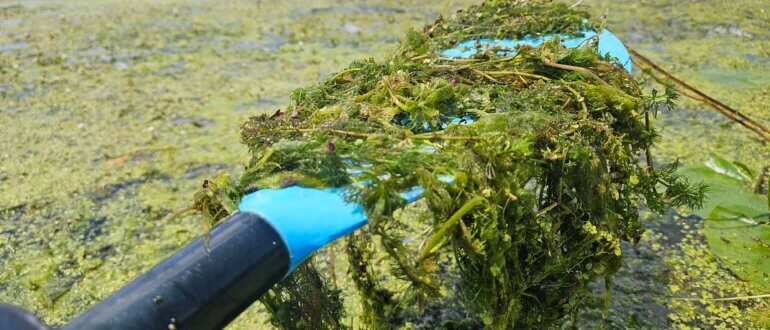
Submerged aquatic plants, often dismissed as “weeds,” are essential to the freshwater ecosystems of lakes and rivers. Known scientifically as macrophytes, aquatic plants absorb nutrients like phosphorus and nitrogen which otherwise can fuel algal blooms. They also stabilize lake-bottom sediments, help protect shorelines from wave erosion, and provide critical habitat and food for fish and other wildlife. Because aquatic plants play such a vital role, the Wisconsin Department of Natural Resources (DNR) regulates and limits their removal to preserve the numerous benefits they bring to our waterways.
A shifting underwater landscape
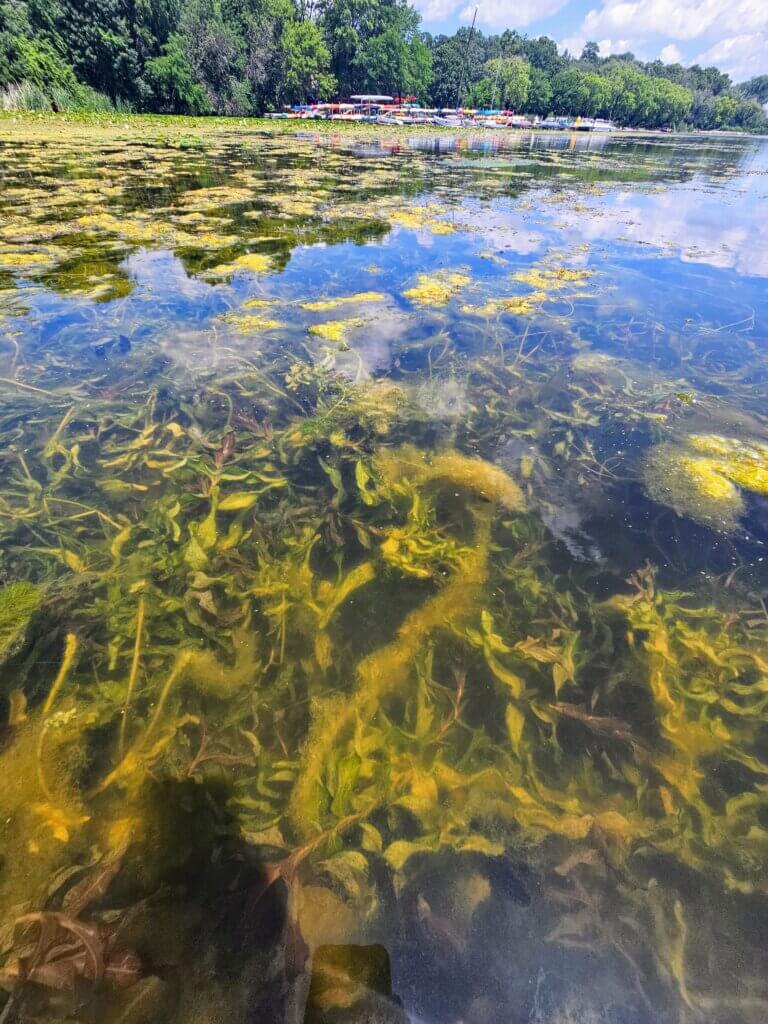
The Yahara lakes historically had a greater expanse, abundance, and diversity of aquatic plants compared to today. Unfortunately, the cumulative impacts of pollution, lake-bed disturbances, and misguided weed-control strategies have led to a decline in the health of local aquatic plant communities over the past century.
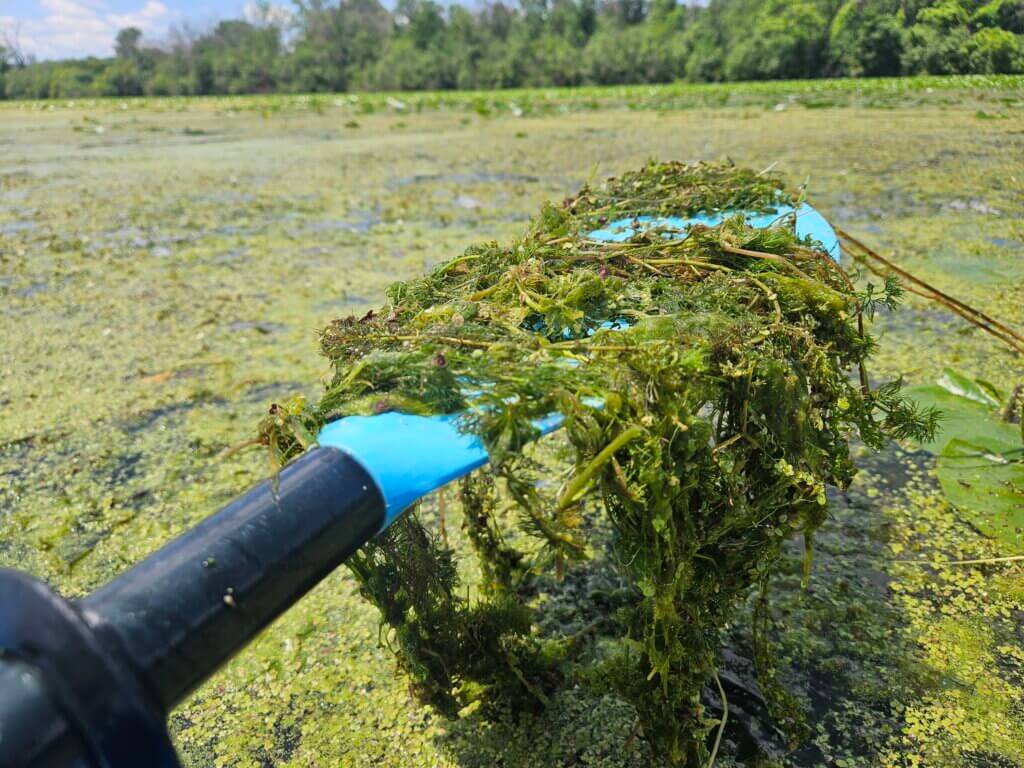
Invasive aquatic plant species have likely contributed to this trend as well. Boats and trailers can unintentionally spread non-native plants as they travel from lake to lake. Some non-native plants are invasive and can outcompete, crowd out, and displace other species, effectively reducing the natural biodiversity of a healthy aquatic plant community.
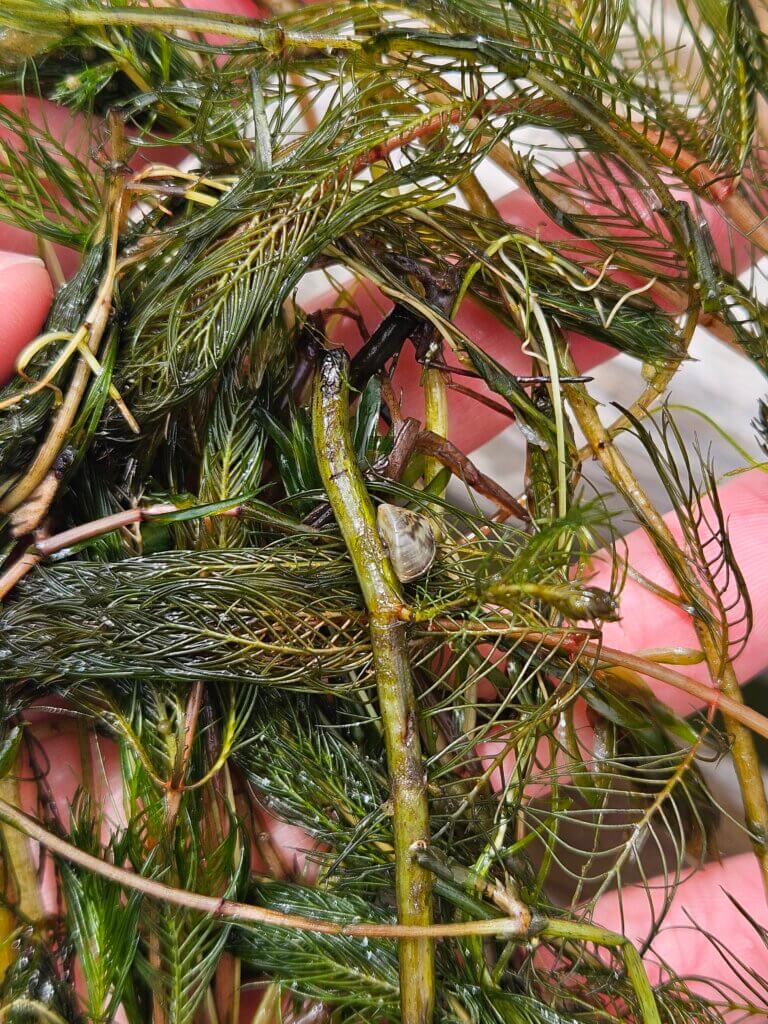
The Yahara lakes are no stranger to invasive aquatic plants and historically have been an epicenter of invasive species discovery due to their popularity with recreational boaters. Curly-leaf pondweed, a common non-native species found in our local lakes, was first discovered in Wisconsin in Lake Wingra in 1906. Eurasian watermilfoil, another invasive species, was first discovered in Lake Mendota in 1962.
Living with threats to biodiversity
Invasive aquatic plants like curly-leaf pondweed or Eurasian watermilfoil can create dense monocultures (dominated by a single species) when they are newly introduced to a lake or located in areas of frequent lake-bed disturbance. These dense, single-species thickets can lead to diminished structural diversity and habitat value, and can make swimming, fishing, and boating difficult due to their prolific growth characteristics. The increased stagnation of water can also promote the growth of insects like mosquitos or the parasites that cause swimmer’s itch.
Our current reality is to try to manage and live with the invasive plants that have already established themselves in the Yahara lakes. Large-scale eradication efforts, particularly through the use of chemical herbicides, can cause oxygen depletion from mass die-offs and negatively effect beneficial, non-target species.
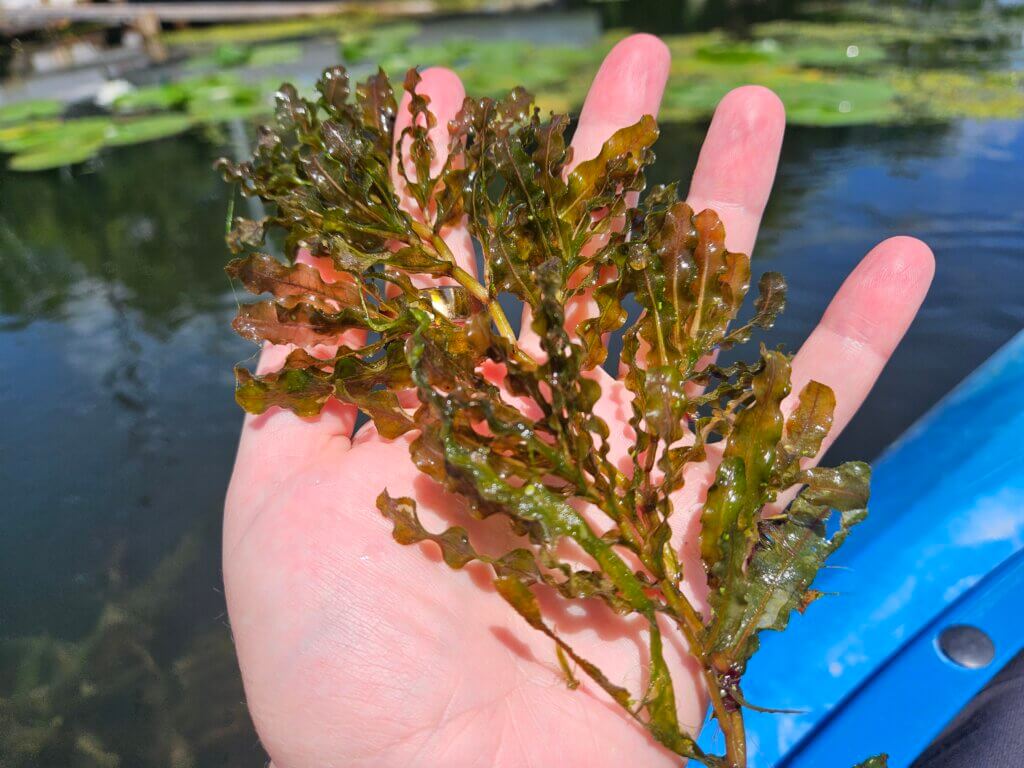
The presence of non-native aquatic plants is not always as harmful to lake ecology as might be predicted. After an initial period of ecological disruption, non-native species can often settle into a narrow ecological niche, allowing overall aquatic diversity to rebound to near pre-invasion levels. For example, Eurasian watermilfoil initially began to dominate Lake Wingra’s aquatic plant community shortly after its introduction in the 1960s and 1970s. But over time, as the lakebed remained relatively undisturbed, Eurasian watermilfoil declined in abundance and native plants began to thrive again. Today, Lake Wingra supports a more balanced and diverse mix of native and non-native plants, particularly in its littoral (nearshore) zone. This is a sign of a lake ecosystem returning to health and equilibrium.
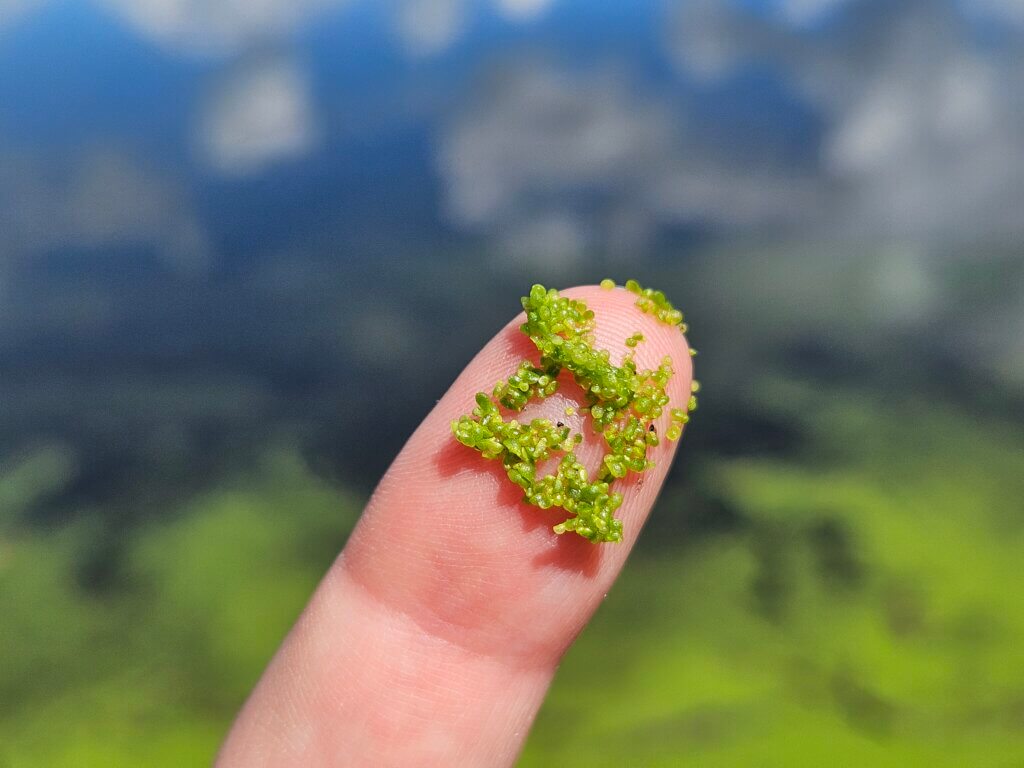
Managing for balance
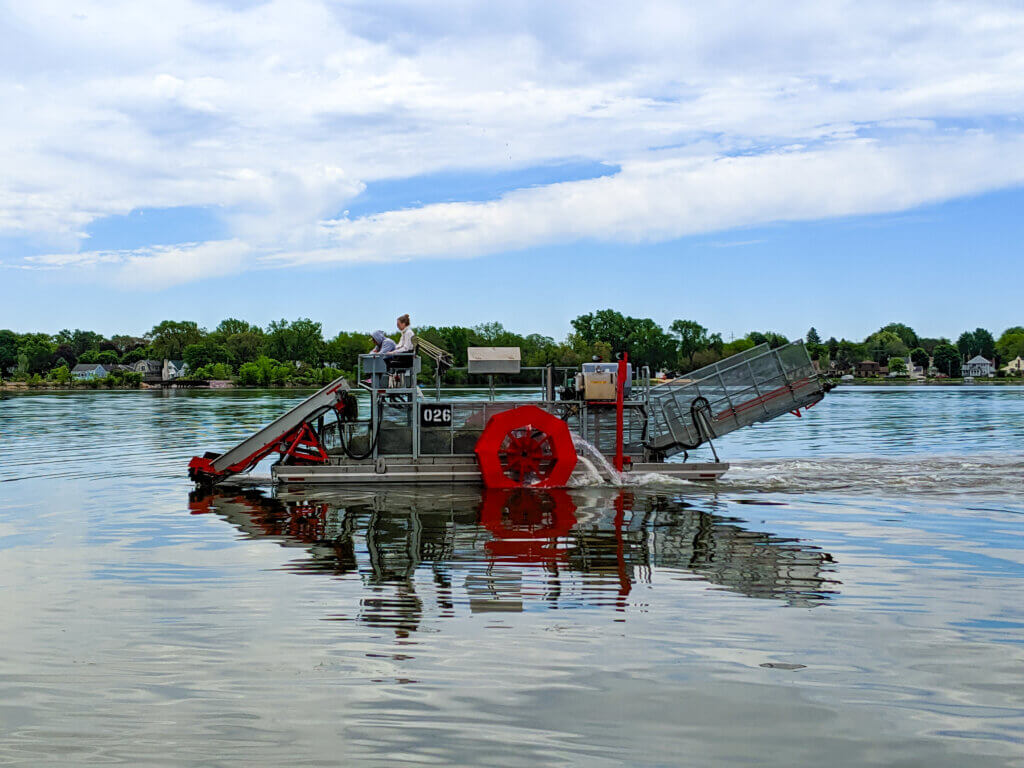
Aquatic plant management is a difficult balance between maintaining a healthy aquatic plant community and supporting various forms of recreation. In areas where non-native species have formed dense monocultures that hinder accessibility and navigation, Dane County operates a fleet of mechanical harvesters guided by DNR-approved management plans.
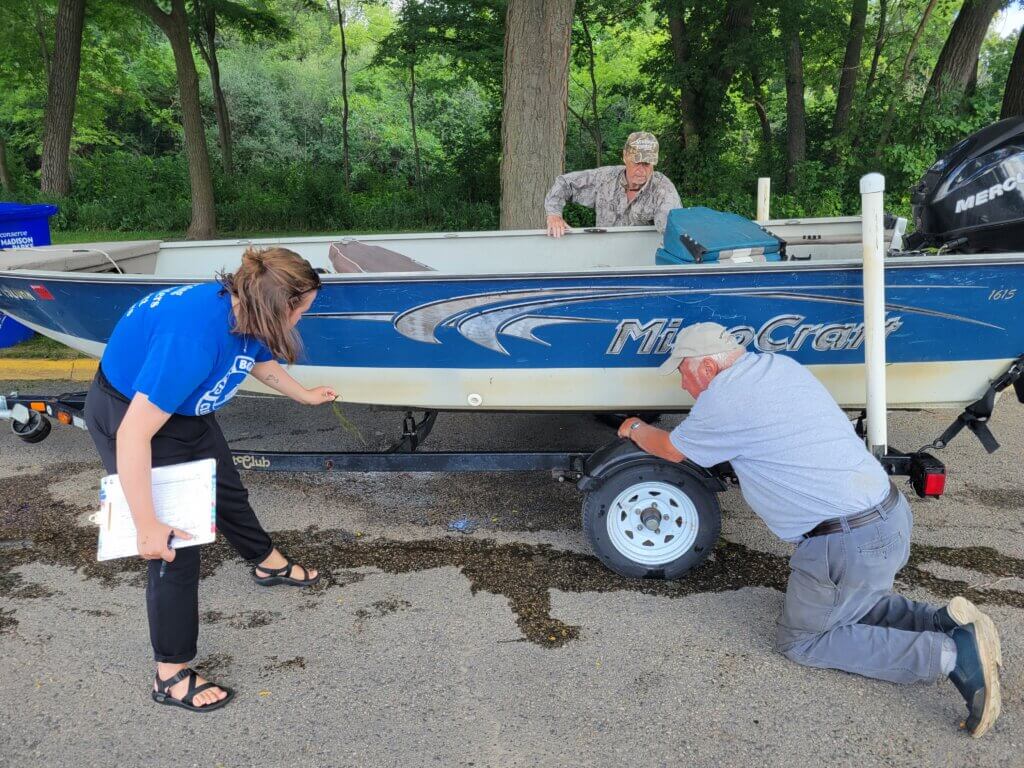
The most effective strategy is to avoid the introduction of invasive plants altogether. Educational programs, such as Clean Boats, Clean Waters, educates boaters on best practices to avoid introducing non-native plants and organisms to new waterbodies. They include:
- Remove and properly dispose of any attached plants and debris
- Drain water from live wells and equipment
- Dry boats and gear for several days before visiting another waterbody
Responsible boating practices also help protect native aquatic plants. For example, the aggressive operation of motor boats through shallow waters disrupts the lakebed, cutting and uprooting native plants while enabling invasive species like Eurasian watermilfoil to colonize the freshly disturbed sediment. Boating slowly through shallow areas with the motor trim raised, and restricting wake boating to deep waters (greater than 20-foot depths, according to the latest research) are key to being a responsible boater.
Protecting the underwater forest
Just like on land, the natural world of plants below the water’s surface is essential to a healthy and thriving ecosystem and provides numerous ecological benefits worth protecting. Reducing unnecessary lake-bed disturbances and cleaning your boating equipment of potentially harmful hitchhikers are among the best ways to protect ecosystem health while enjoying time on the water.
Did you know?
The DNR allows for manual removal of non-native aquatic plant species. Learn how to identify and manage aquatic plants on the DNR’s webpage: dnr.wisconsin.gov/topic/lakes/plants
Learn more
- This article first appeared in the 2026 Teejop Regional Guide (formerly known as the Greater Madison Lake Guide). Read more from the publication.
- Learn more about aquatic plants from Clean Lakes Alliance.