News

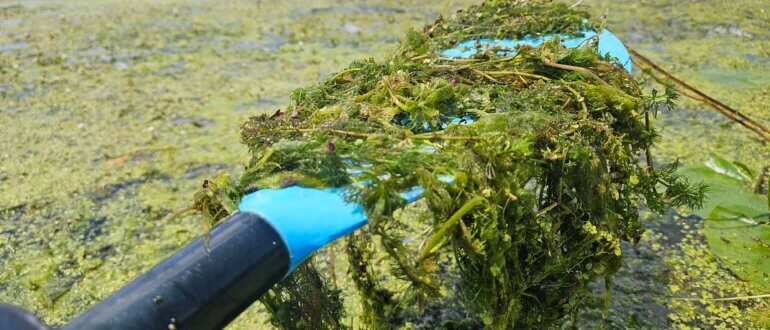
Lake Wingra aquatic plants

Submerged aquatic plants, often dismissed as “weeds,” are essential to the freshwater ecosystems of lakes and rivers. Known scientifically as macrophytes, aquatic plants absorb nutrients like phosphorus and nitrogen which otherwise can fuel algal blooms. They also stabilize lake-bottom sediments, help protect shorelines from wave erosion, and provide critical habitat and food for fish and other wildlife. Because aquatic plants play such a vital role, the Wisconsin Department of Natural Resources (DNR) regulates and limits their removal to preserve the numerous benefits they bring to our waterways.

Read More

Aquatic plants being harvested in Lake Monona (photo courtesy Dane County)

An interview with a Dane County Aquatic Plant Harvester Operator

If you’ve spent time around any of Greater Madison’s lakes, you’ve probably seen these large machines in action. Unofficially and incorrectly known as “weed cutters,” the machines and their operators play a vital role in keeping our lakes open to everyone. The proper name for the machine is aquatic plant harvester, because they’re not just cutting weeds, they’re harvesting and removing vegetation from our lakes. 

So how do they work? What are they doing? Who is out there driving them? Clean Lakes Alliance visited Lake Monona on a beautiful August day to ride along on one of Dane County’s aquatic plant harvesters driven by Donn Kidd to get some answers.

Aquatic plants being harvested in Lake Monona
Riding along with Donn Kidd on one of Dane County’s aquatic plant harvesters on Lake Monona in 2023, photo courtesy Dane County
Read More