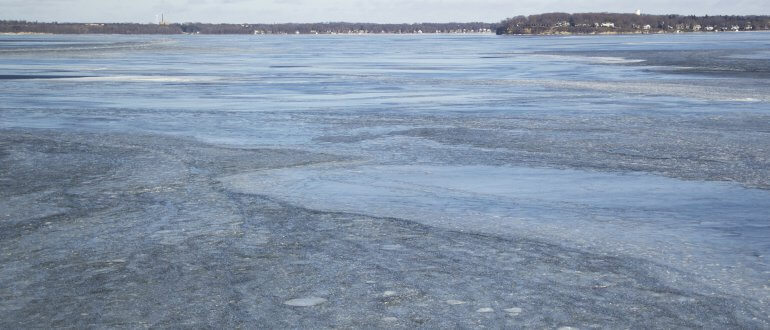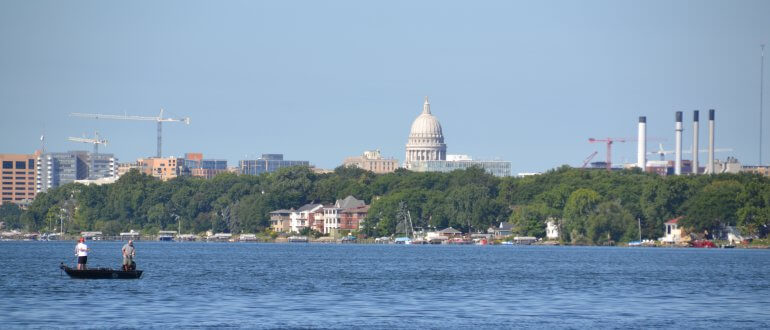
MADISON, Wis. — It was hard to call, but on January 1, Lake Mendota officially froze for the 2016-2017 winter season. The largest and deepest of Madison’s lakes joins Lake Wingra, which officially frozen on December 9, and Lake Monona, which reported “ice-on” on December 16.
James’ 7 reasons to feel optimistic about our lakes
2016 sees clearer water on Madison’s lakes
Clean Lakes Alliance volunteer monitors see improvements and mixed results
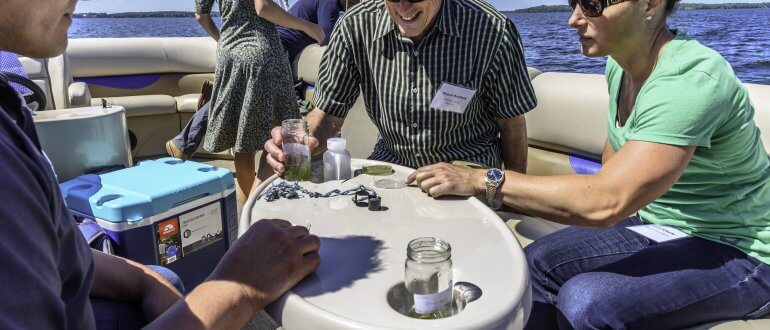
MADISON, Wis. — Clean Lakes Alliance has released results from the 2016 monitoring season on lakes Mendota, Monona, Wingra, Waubesa and Kegonsa. Over the past three years, the volunteer-based program has grown into an extensive 70-site effort to track water conditions near the shore, where most people interact with our lakes.
Guest post: Let’s talk about the future of our waters and communities
The future of water and people depends on the choices we make today – and the ideas we share with each other.
Engage your community or organization in a conversation about what you want for the future of water and people with the Yahara 2070 discussion guides.
Keep Water Fresh: Ways to Cut Down on Salt Pollution
Emily Jones, Pollution Prevention Specialist, Madison Metropolitan Sewerage District
Next time you’re at Camp Randall Stadium, take a look around and picture twenty 50-pound bags of water softener salt stacked on top of each of the 80,321 seats. That’s about how much salt makes its way down the drain and to Madison Metropolitan Sewerage District’s wastewater treatment plant every year.
But the salt doesn’t stop there. The treatment plant isn’t designed to remove salt, so salt passes through the plant into local streams, where it can threaten freshwater life. Removing salt at the treatment plant would be expensive and energy-intensive, so MMSD is working to protect water more efficiently by reducing the salt that goes down the drain.
Watch for Zebra Mussels in the Yahara
Zebra mussels, a native of Europe and Asia, have recently established a reproducing population in lakes Mendota and Monona. These little filter-feeding organisms can negatively impact native lake ecosystems. Although they might increase water clarity by feeding on zooplankton, green algae and other debris, zebra mussels do not eat blue-green algae. This means they can deplete the water of important fish food and natural algae grazers. Zebra mussels may also damage boat hulls and engines and cut the feet of swimmers. Zebra mussels are difficult to eradicate once established in a water body.
Clean Lakes Alliance is working with Wisconsin Department of Natural Resources and UW-Madison Center For Limnology to track zebra mussel population establishment and expansion in the Yahara chain of lakes and could use your help!
Better with Buffers
Keeping fields green and lakes blue
Composting grant looks to identify new tools for managing manure
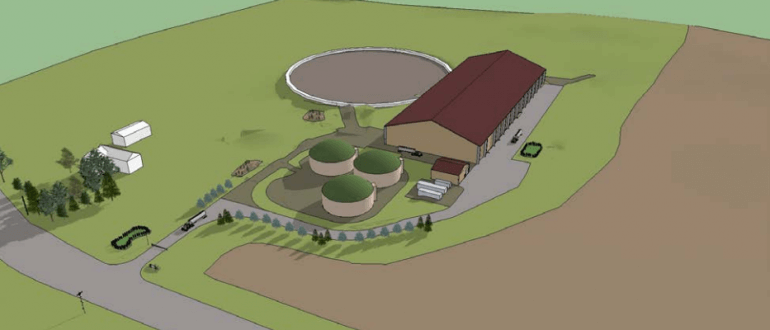
MADISON, Wis. — Clean Lakes Alliance has been awarded a $60,000 two-year grant from Fund for Lake Michigan to determine whether windrow manure composting could have water quality impacts in the Yahara River watershed and beyond, including potential reductions in phosphorus runoff.
“Our lakes face serious challenges from urbanization and intensification of agriculture,” said Elizabeth Katt-Reinders, Clean Lakes Alliance Deputy Director. “With its potential to manage manure, benefit soil health and protect our lakes, composting could be a big win-win.”
Cows, crops and caring for our lakes
According to U.S. Department of Agriculture, agriculture in Dane County accounts for $3.4 billion in economic activity annually. From our multi-generational dairy farms, to our land-grant university, to the Dane County’s farmer’s market, agriculture is part and parcel to our identity.