American cultural anthropologist Margaret Mead famously said, “Never doubt that a small group of thoughtful, committed citizens can change the world. Indeed, it is the only thing that ever has.”
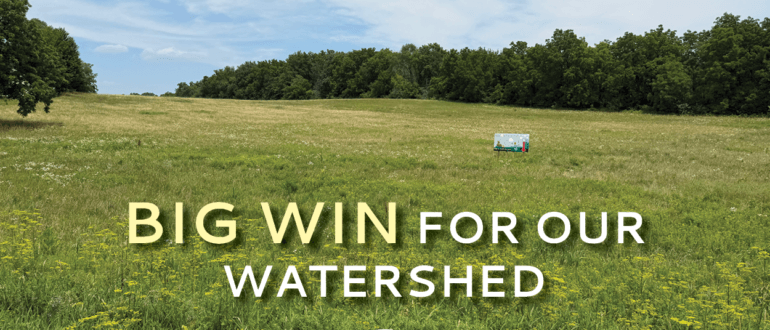
Thursday, September 24, 2026, is a case in point. A remarkable, grassroots endeavor just culminated in a conservation legacy-making milestone. Clean Lakes Alliance has officially closed on the purchase of Lot 3 Sunnyside near Lake Kegonsa.
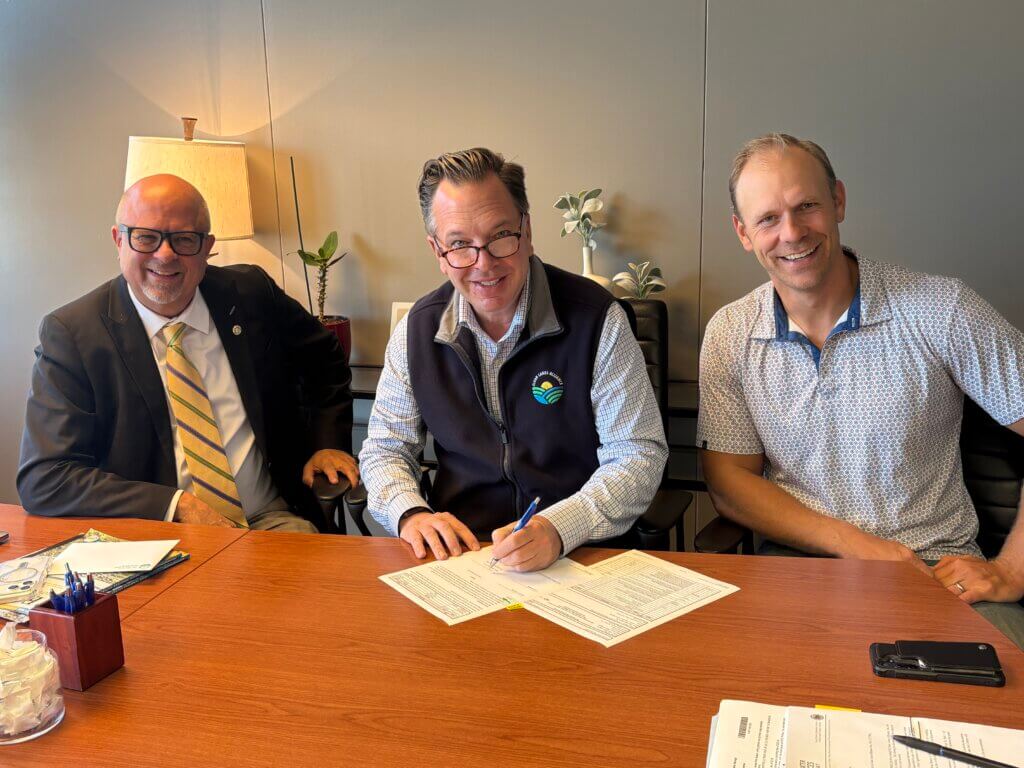
Protecting land near Lake Kegonsa
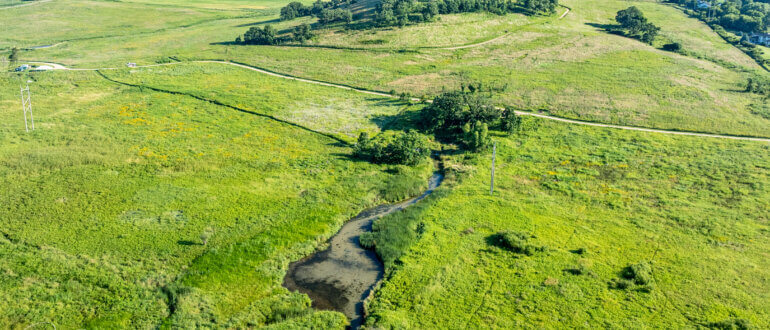
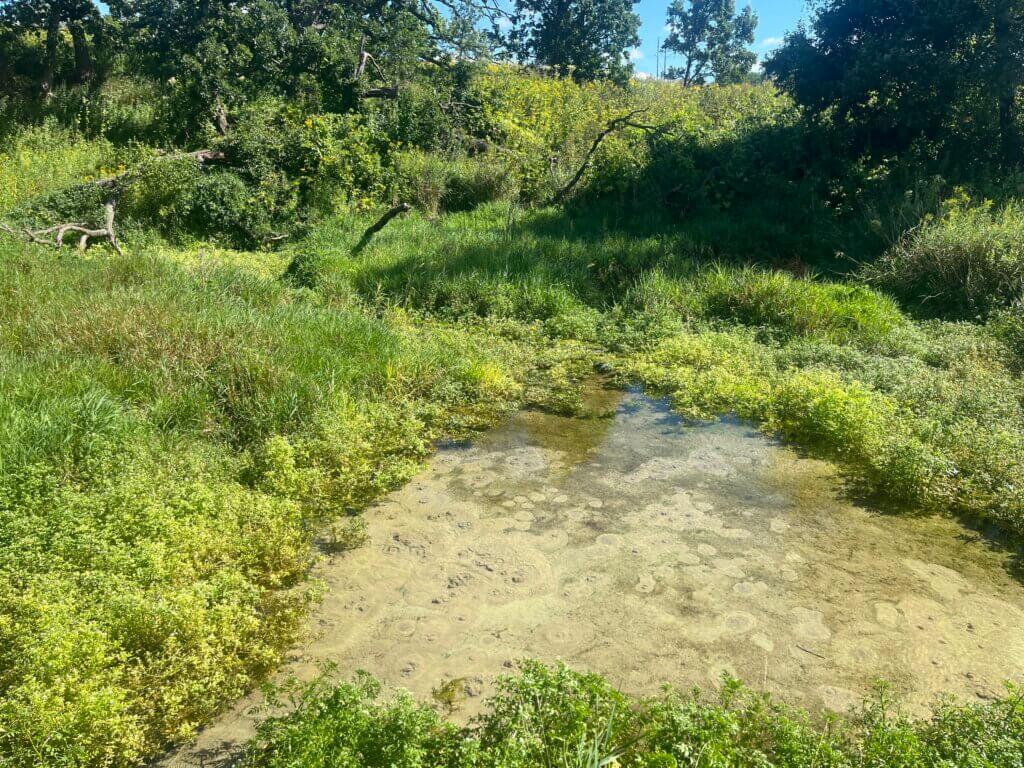
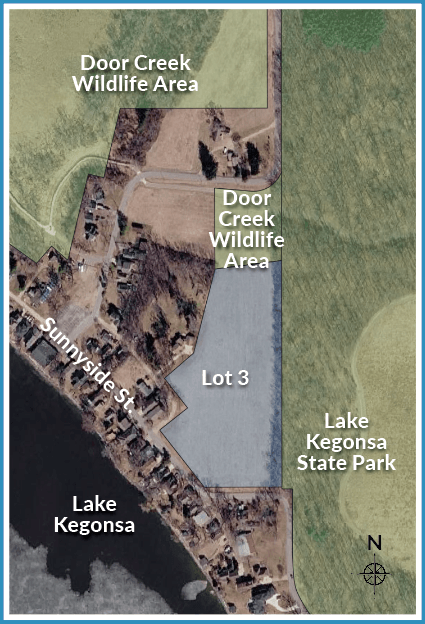
The 7.85-acre property is in the Town of Pleasant Springs. It borders Lake Kegonsa State Park, Dane County’s Door Creek Wildlife Area, and the Lower Yahara River Trail. As part of the closing, the property title was transferred to the Wisconsin Department of Natural Resources, adding to Lake Kegonsa State Park. This permanently protects this piece of land for wildlife habitat, water quality improvement, and public enjoyment.
Neighbors and donors make conservation possible
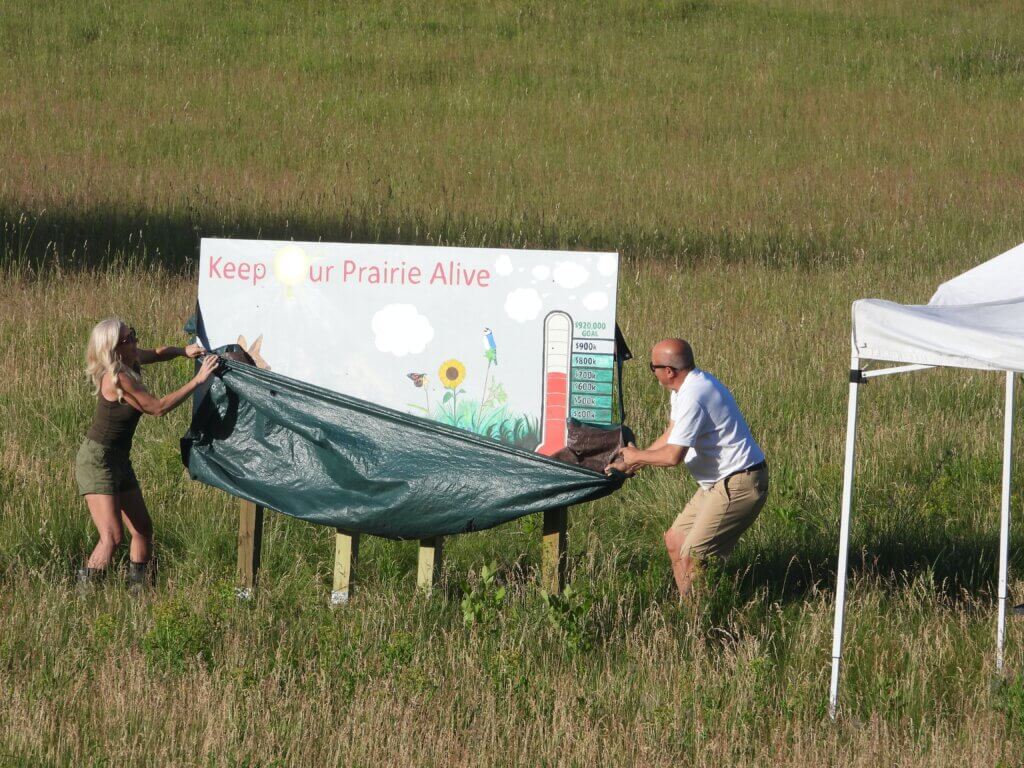
What began with area neighbors determined to protect one of the last undeveloped parcels near Lake Kegonsa grew into an extraordinary partnership. Donors responded to a call to action with generosity, joining other partners to make the $920,000 property purchase possible. The outpouring included critical support from Dane County through a Conservation Fund matching grant. Every contribution highlighted the shared belief that protecting special places is an investment in cleaner water, healthier landscapes, and a lasting conservation legacy.
A community united
Special recognition goes to the Preserve Lot 3 Sunnyside Committee whose neighbors and volunteers supplied the vision and countless hours needed to carry this effort from idea to acquisition. The committee organized the fundraising campaign and rallied the community. This committee also pursued grants and built the partnerships necessary to protect the property in perpetuity. From the beginning, its goals included conserving natural resources, protecting wildlife habitat and water quality, preserving open space, and restoring the site to native prairie. Their work is a powerful example of what can happen when people see an opportunity to protect a place they love and refuse to let it pass by.
The following statement was released by the Committee leading up to the closing: “It’s amazing that a small group of people with support from Dane County and over 225 other donors could make the conservation of Lot 3 Sunnyside possible. Gifting the land to Lake Kegonsa State Park is a legacy that will endure for generations to come.”
Preserving land for future generations
Clean Lakes Alliance is proud to have served as the project’s fiscal agent and partner. The nonprofit provided the nonprofit infrastructure needed to receive tax-deductible contributions, pursue public funding, and complete the acquisition. According to Executive Director James Tye, “Protecting land like this is closely aligned with RENEW THE BLUE: A Community Guide for Cleaner Lakes and Beaches in the Yahara Watershed, helping to fulfill a high-impact action recommended to improve our local lakes.”
Celebrate the success
Project partners, donors, neighbors, volunteers, and community members are invited to an on-site celebration. Mark your calendar for Saturday, October 17, beginning at 1:00 p.m. at Lot 3 Sunnyside (see map above).
Support future projects like Lot 3 Sunnyside
The success of Lot 3 Sunnyside shows what’s possible when neighbors, donors, volunteers, and conservation partners come together around a shared vision. Your support helps Clean Lakes Alliance be ready to step forward when the next opportunity arises. Together, we can protect land, improve water quality, and create a lasting conservation legacy for our lakes and communities. Please consider making a gift today to our Conserve an Acre or Seed the Need funds. Help make future projects like this one possible.