Healthy lakes start with healthy land. Much of the Yahara Watershed is agricultural, and the way soil and nutrients are managed on agricultural lands plays a critical role in protecting water quality. Rain and snowmelt can carry soil, manure, phosphorus, and other nutrients from fields into nearby streams and lakes. This can contribute to algae blooms and degraded water conditions in local lakes and waterways.
The good news? Farmers across our region are leading the way with proven conservation practices that keep soil in place, reduce runoff, and improve long-term farm resilience. From cover crops to nutrient management planning, these best management practices help protect both working lands and the waters we all depend on.
Below are several key agricultural conservation practices that support cleaner, healthier lakes.
Cover crops
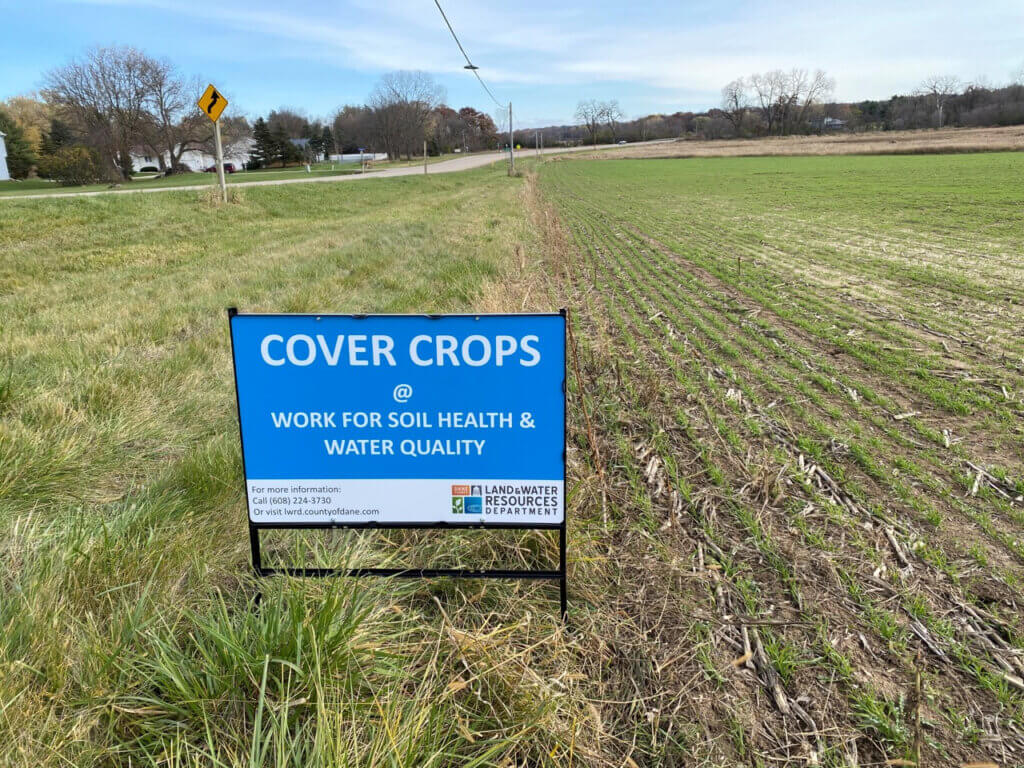
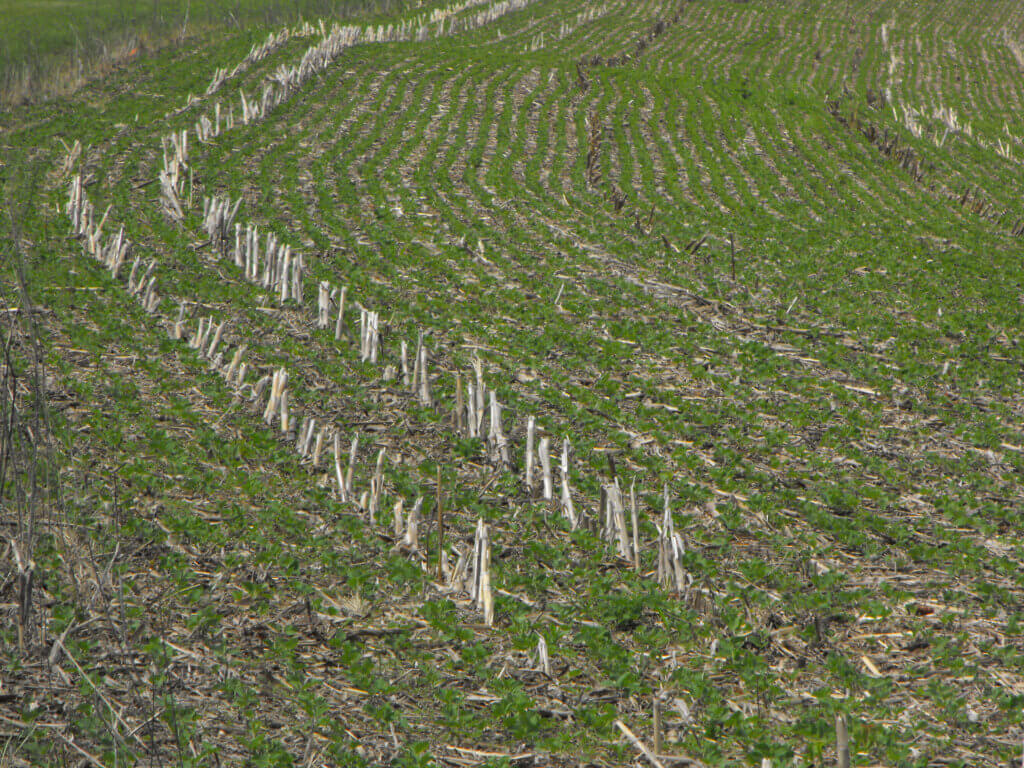
Cover crops are planted between regular crop growing seasons to maintain a living root in the ground, protecting and improving soil conditions. The root system of the living plant anchors soil in place, preventing soil from washing away during rain events or snowmelt. Over time, cover crops enhance soil health by increasing organic matter and supporting beneficial soil organisms.
No-till farming
No-till is a method of growing crops without disturbing the soil, instead using specialized equipment to plant seeds directly into the residue of the previous crop. Leaving this organic matter in the fields provides a buffer for the soil, limiting erosion, improving soil structure, and increasing water infiltration through root channels and voids created by the plant residue left behind. This practice also reduces fuel and labor costs and soil compaction by eliminating multiple passes over the field.
Rotational grazing
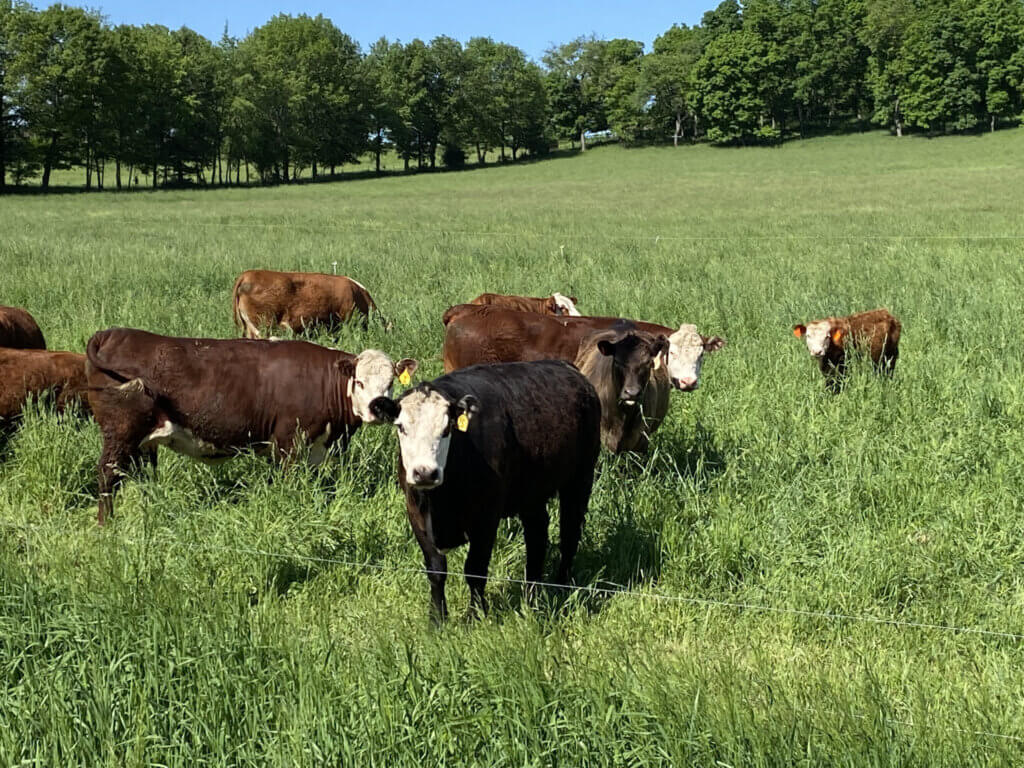
Rotational grazing is a sustainable livestock management practice where foraging animals are moved frequently between pasture sections to allow previously grazed areas adequate time to regrow. This approach maintains robust plant roots, reduces soil compaction, and limits erosion caused by overgrazing. Rotational grazing reduces the need for additional manure spreading or commercial fertilizers because the animals’ natural distribution of manure provides sufficient nutrients.
Nutrient management plans
Nutrient management plans are written strategies that guide how and when nutrients, like phosphorus and nitrogen found in fertilizer and manure, are applied to farm fields. These plans are based on soil testing and crop nutrient requirements to ensure nutrients are used efficiently and at appropriate rates. Proper nutrient management reduces the rist of phosphorus runoff while supporting healthy crop growth and farm productivity.

Buffer strips
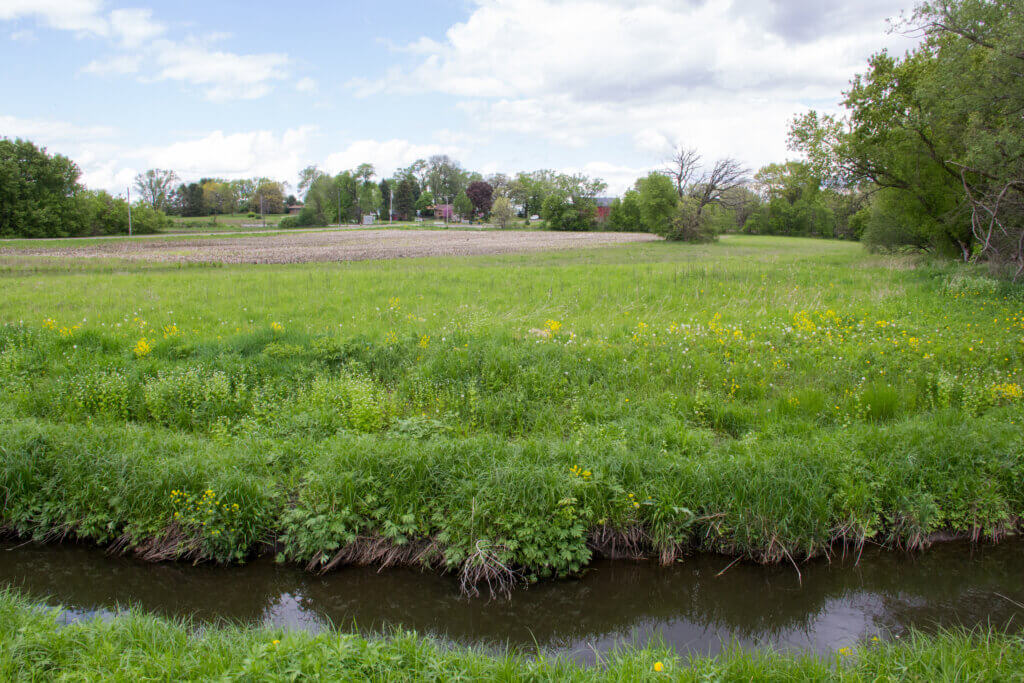
Buffer strips are vegetated areas established along field edges, streams, and drainageways, usually extending at least 30-35 feet in width.. These dense plantings slow runoff and capture sediment, nutrients, and pollutants before they reach surface waters. Buffer strips also help stabilize soil and provide beneficial habitat for pollinators and wildlife.
Contour planting
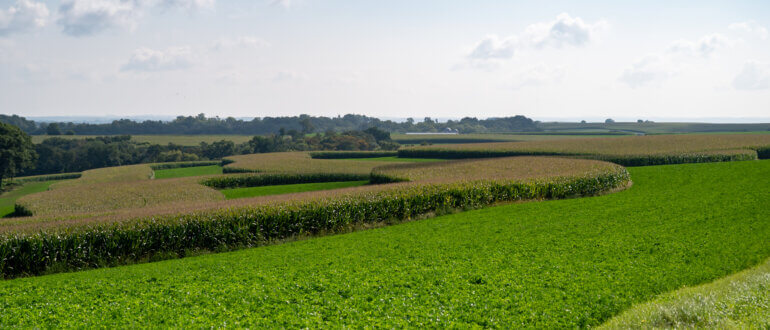
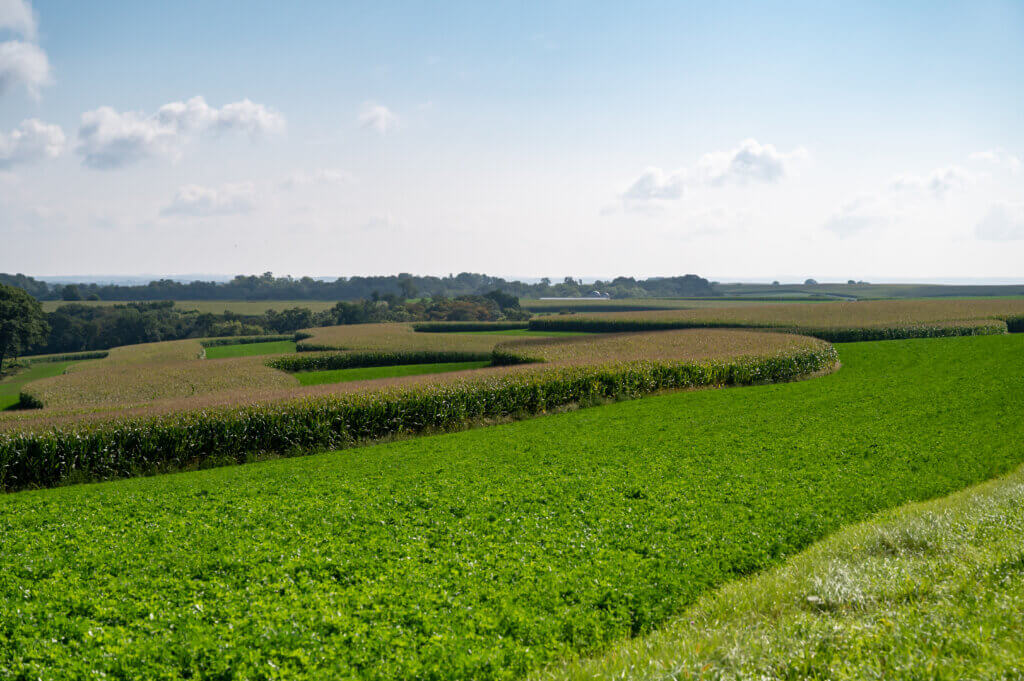
Contour planting involves planting crops along the natural contours of the landscape, rather than up and down slopes. This practice reduces the speed of water flowing across fields, keeping soil and nutrients in place during rainfall events.
Low-disturbance manure injection
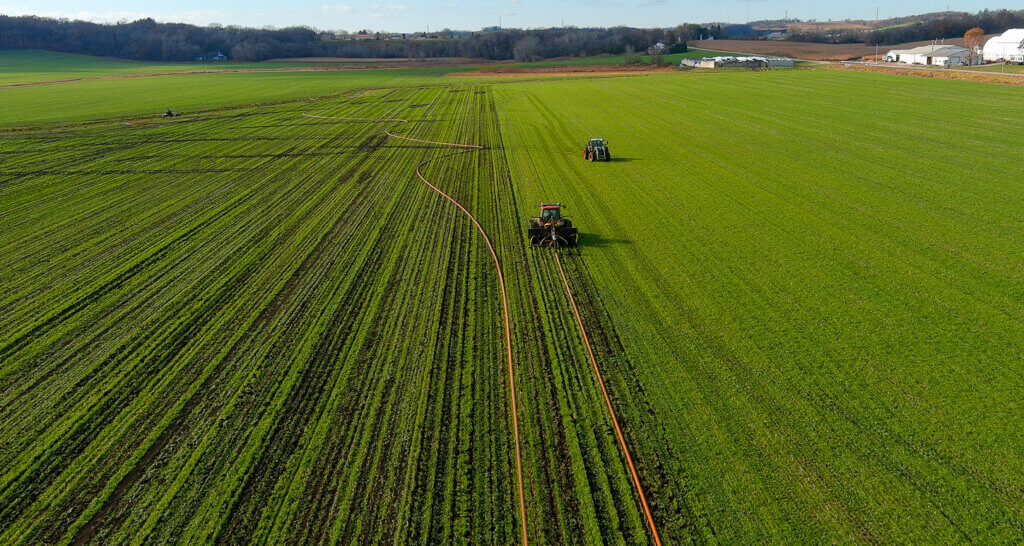
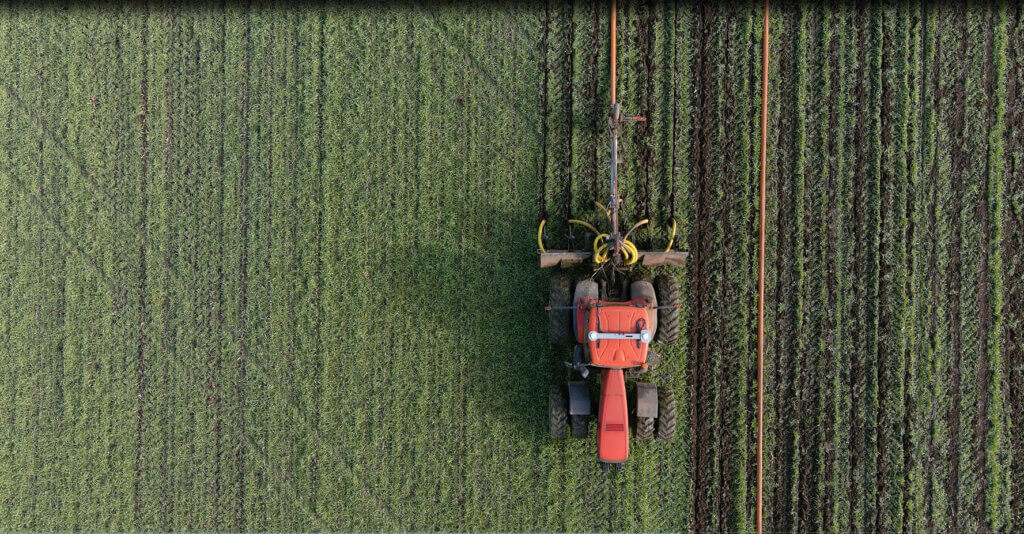
Low-disturbance manure injection (LDMI) uses specialized equipment to apply manure beneath the soil surface rather than on top. Injecting manure reduces soil disturbance and odors and prevents nutrients from being easily carried away by runoff. By placing nutrients closer to plant roots, LDMI improves nutrient uptake from plants, reducing the need for additional commercial fertilizers.
Learn more
This article first appeared in the 2026 Teejop Regional Guide (formerly known as the Greater Madison Lake Guide). Read more from the publication.